Breed-Specific Dog Food Guide
Best Dog Food for Cane Corsos: Our 7 Leading Choices
Choosing food for a Cane Corso means considering the dog’s size, stage of development, activity level, body condition and individual food tolerance. With those factors in mind, our guide to the Best Dog Food for Cane Corsos compares seven products selected for a range of life stages and feeding needs.
- Author: Samuel James
- Published: September 21, 2026

Affiliate disclosure: DogFoodNet may earn a commission when you purchase through links on this page, at no additional cost to you. Affiliate relationships do not influence how products are selected, compared or evaluated.
Our Picks at a Glance
We compared current product labels, manufacturer information, nutritional composition, calorie density, life-stage suitability, ingredient characteristics, availability and cost. Nutrient values are compared on a dry-matter basis where appropriate.
Our Picks, Explained
Each option includes a concise editorial overview, key dry-matter values, practical strengths, and links to check the price or read the complete product review.

1 · Overall Best for Cane Corsos
Dry kibble · Large breeds · 350 kcal/cup
Protein DMB
24.4%
Fat DMB
13.3%
Estimated Carbs DMB
48.9%
What we like
• Lamb meal is the first ingredient, providing a clearly identified concentrated animal protein source.
• The ingredient list includes both glucosamine hydrochloride and chondroitin sulfate.
• The probiotic blend identifies Lactobacillus, Bacillus, Enterococcus, and Bifidobacterium microorganisms rather than referring only to generic cultures.
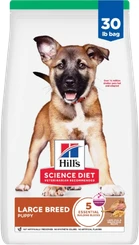
2 · Best Cane Corso Puppy Food
Dry kibble · Large-breed puppies · 382 kcal/cup
Designed for puppies expected to weigh more than 55 pounds as adults, this dry food supports the large-breed growth stage and can be fed up to 18 months of age. Its controlled-calcium approach makes it a more appropriate choice here than a standard adult formula.
Protein DMB
27.2%
Fat DMB
13.3%
Estimated Carbs DMB
47.2%
What we like
• Animal feeding tests using AAFCO procedures substantiate complete and balanced nutrition for growth, while Hill’s specifically positions the recipe for large-breed development.
• Hill’s states that the formula uses a controlled calcium level intended for the developmental needs of larger puppies.
• DHA is specifically declared in the guaranteed analysis, and fish oil appears in the ingredient list.
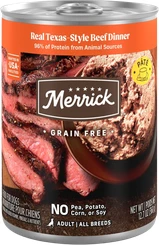
3 · Best Wet Food for Cane Corsos
Wet pâté · Beef recipe · 404 kcal/can
Protein DMB
40.9%
Fat DMB
22.7%
Estimated Carbs DMB
20.9%
What we like
• The recipe is presented as complete and balanced food that can be served as a standalone meal rather than only as a topper.
• Beef is the first ingredient, followed by beef liver and beef broth as additional clearly identified animal-derived ingredients.
• Salmon oil appears as a specifically named fat source in the ingredient list.
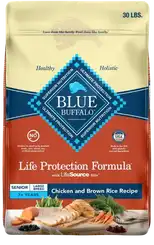
4 · Best Food for Senior Cane Corsos
Dry kibble · Large seniors · 343 kcal/cup
Blue Buffalo Life Protection Formula Large Breed Senior is formulated specifically for older large-breed dogs and remains a conventional dry food for routine maintenance feeding. Its combination of senior life-stage positioning and large-breed formulation makes it a practical everyday option for aging Cane Corsos.
Protein DMB
22.2%
Fat DMB
11.1%
Estimated Carbs DMB
50.0%
What we like
• Glucosamine and chondroitin sulfate are both included in the formula.
• Deboned chicken is the first ingredient, with chicken meal providing another clearly named animal ingredient.
• L-carnitine appears explicitly in the ingredient list rather than being an unspecified formulation claim.
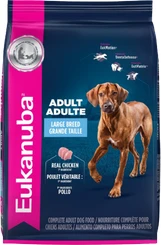
5 · Best for Joint Support
Dry kibble · Large breeds · 343 kcal/cup
This dry kibble is formulated for large adult dogs and is designed for routine daily feeding in larger breeds. It earns the joint-support spot here because the formula is built around the needs of heavier adult dogs while still working as a complete everyday diet.
Protein DMB
24.4%
Fat DMB
13.9%
Estimated Carbs DMB
37.8%
What we like
• Glucosamine hydrochloride and chondroitin sulfate are both included, providing direct label evidence for the joint-support selection.
• Chicken is the first ingredient, giving the formula a clearly identified primary animal ingredient.
• Fructooligosaccharides and dried beet pulp provide identifiable prebiotic and fiber components.
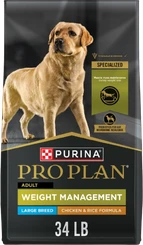
6 · Best for Weight Management
Dry kibble · Weight control · 384 kcal/cup
Purina Pro Plan Large Breed Weight Management is designed for overweight or less-active adult dogs weighing more than 50 pounds. The formula contains 15% less fat than Purina Pro Plan Essentials Chicken & Rice for adult dogs and is designed to help maintain muscle mass during weight loss, giving it a clear purpose beyond simply reducing the serving size of a standard adult food.
Protein DMB
30.7%
Fat DMB
10.8%
Estimated Carbs DMB
43.2%
What we like
• Pea fiber and wheat bran are both included as concentrated fiber ingredients within the weight-management formula.
• Chicken is the first ingredient, providing a clearly identified primary animal ingredient.
• Dried Bacillus coagulans fermentation product supplies the formula’s guaranteed live probiotic component.
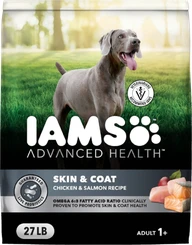
7 · Best for Skin and Coat Support
Dry kibble · Skin support · 373 kcal/cup
IAMS Advanced Health Skin & Coat is an adult dry food developed for routine feeding with an added emphasis on skin and coat nutrition. That focused positioning makes it a practical choice for dogs needing added skin-and-coat support while still serving as a complete everyday adult kibble.
Protein DMB
27.8%
Fat DMB
15.0%
Estimated Carbs DMB
44.4%
What we like
• The IAMS Smartcoat formulation combines omega fatty acids, zinc, and vitamin E as identifiable skin-and-coat-focused nutrients.
• Chicken is the first ingredient, with salmon providing another specifically named animal ingredient.
• Dried Bacillus subtilis fermentation product provides the recipe’s live probiotic inclusion.
Frequently Asked Questions
The best food for a Cane Corso is a complete and balanced diet appropriate for the dog’s life stage, activity level and body condition. Use regular weight and body-condition checks to adjust portions rather than feeding for a desired bulky appearance.
Choose food whose nutritional adequacy statement includes growth of large-size dogs (70 lb or more as an adult) and follow measured feeding directions. A Cane Corso puppy should grow steadily and remain lean. Avoid adding calcium or mineral supplements unless recommended by a veterinarian, and avoid unrestricted feeding that can promote excessive calorie intake.
No. Very high protein is not automatically better. Once a dog’s protein needs are met, muscle condition also depends on appropriate calorie intake, body condition, activity and overall nutrition.
For an adult Cane Corso, maintaining a lean body condition is particularly important for reducing unnecessary stress on the joints. When comparing foods, consider calorie density and look for disclosed EPA and DHA amounts rather than relying only on “joint support” claims on the package.
Final Takeaway
Growth, adult maintenance and later-life feeding create different nutritional questions for a Cane Corso. This guide organizes its seven picks around life stage, food format, weight management, joint support, and skin-and-coat support so owners can compare options by purpose rather than popularity.
Choose puppy food whose nutritional adequacy statement includes growth of large-size dogs, with portions that support steady rather than rapid development. Once mature, maintain a lean body condition and reassess intake whenever activity, age or daily routine changes. Compare calorie values rather than relying only on cups per day, transition to a new food gradually, and seek veterinary guidance for orthopedic concerns, health conditions or therapeutic diets.
Related Reading
Editorial Note
The recommendations in our Best Dog Food for Cane Corsos guide are based on current product labels, ingredient declarations, guaranteed analyses, calorie statements, nutritional adequacy language, manufacturer information and feeding instructions. DogFoodNet also considers whether products and relevant package sizes are realistically available and how they are priced. Dry-matter conversion may be used to compare nutrient percentages across wet and dry options.
For a large, powerful breed, the guide separates controlled puppy growth from adult maintenance and considers body condition, activity, senior feeding, calorie density and joint-focused formulations. Category placement requires evidence that the food fits the stated life stage and feeding objective. Large-dog graphics, muscular-breed marketing and isolated ingredient claims are not treated as proof of suitability.
These recommendations are not based on DogFoodNet laboratory assays, proprietary feeding studies, veterinary examinations or medical diagnosis. A Cane Corso with growth concerns, intolerance or a health condition should be assessed by a qualified veterinarian. Formulations, feeding directions, pack formats, pricing and stock may change, and the latest label should always be checked. Affiliate commissions do not determine product inclusion or editorial conclusions.
Questions, Suggestions, or Corrections?
If you notice an error or have feedback on this page, feel free to get in touch.