Breed-Specific Dog Food Guide
Best Dog Food for German Shorthaired Pointers: 7 Carefully Selected Options
- Author: Samuel James
- Published: August 30, 2026
Affiliate disclosure: DogFoodNet may earn a commission when you purchase through links on this page, at no additional cost to you. Affiliate relationships do not influence how products are selected, compared or evaluated.
Our Picks at a Glance
1
Overall Best for German Shorthaired Pointers
For everyday feeding of adult German Shorthaired Pointers
4
Best Food for Senior German Shorthaired Pointers
For older German Shorthaired Pointers with changing needs
We compared current product labels, manufacturer information, nutritional composition, calorie density, life-stage suitability, ingredient characteristics, availability and cost. Protein and fat values are converted to a dry-matter basis from each product’s guaranteed analysis for consistent comparison. Estimated carbohydrate values are calculated from available label data and should be treated as approximations.
Our Picks, Explained
Each option includes a concise editorial overview, key dry-matter values, practical strengths, and links to check the price or read the complete product review.
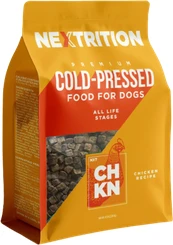
1 · Overall Best for German Shorthaired Pointers
Cold-pressed dry food · All life stages · 504.8 kcal/cup
Nextrition’s cold-pressed dry food is our overall pick among dog food for German Shorthaired Pointers, especially for households wanting one broadly applicable formula rather than a narrowly targeted diet. It is intended for dogs across life stages and has a compact feeding format that can suit this athletic breed when portions are matched to individual activity.
Protein DMB
32.6%
Fat DMB
11.6%
Estimated Carbs DMB
41.3%
What we like
• Chicken is the first ingredient, giving the recipe a clearly identified primary animal ingredient.
• Dried chicory root, yeast culture, and named fermentation products provide prebiotic, postbiotic, and probiotic components.
• Salmon oil is included, while the nutrient panel separately discloses both DHA and EPA.

2 · Best German Shorthaired Pointer Puppy Food
Dry kibble · Large puppies · 391 kcal/cup
This dry puppy kibble is our German Shorthaired Pointer puppy food choice for youngsters expected to mature into Hill’s large-breed range. The formula is intended for an extended large-breed growth period, making it most relevant to heavier puppies. Dogs expected to remain below the brand’s adult-size threshold may be better matched to a standard puppy recipe.
Protein DMB
26.7%
Fat DMB
12.2%
Estimated Carbs DMB
48.9%
What we like
• Animal feeding tests using AAFCO procedures substantiate complete and balanced nutrition for growing puppies.
• Hill’s specifically formulates the mineral balance for controlled bone development, with both calcium and phosphorus disclosed in its nutrient profile.
• Fish oil is included and DHA is specifically disclosed for the developing puppy formula.

3 · Best Wet Food for German Shorthaired Pointers
Wet pâté · Duck recipe · 377 kcal/can
This smooth canned pâté is our wet dog food for German Shorthaired Pointers pick for owners who prefer a soft, moisture-rich meal format. The loaf-style recipe offers a distinct alternative to kibble and works as a main mealtime option for dogs that do well with canned foods, while leftovers require refrigeration after opening.
Protein DMB
36.4%
Fat DMB
22.7%
Estimated Carbs DMB
27.3%
What we like
• The current Chewy listing identifies the formula as complete and balanced for everyday nutrition rather than a supplemental topper.
• Duck is the first ingredient, followed by additional named animal ingredients including turkey, chicken liver, whitefish, and chicken hearts.
• Ground barley provides a clearly identified grain source rather than an unspecified carbohydrate ingredient.

4 · Best Food for Senior German Shorthaired Pointers
Dry kibble · Senior dogs · 343 kcal/cup
This dry senior formula is our senior dog food for German Shorthaired Pointers, using a conventional grain-inclusive kibble intended for dogs seven years and older. Its age-specific feeding profile and everyday format make it a practical option for routine senior feeding rather than a narrowly restricted or highly specialized diet.
Protein DMB
20%
Fat DMB
11.1%
Estimated Carbs DMB
52.2%
What we like
• Glucosamine hydrochloride and chondroitin sulfate are both specifically included in the ingredient list.
• Deboned chicken is the first ingredient, with chicken meal providing another named animal ingredient.
• Fish oil supplies DHA, while flaxseed provides another clearly identified fatty-acid source.

5 · Best for Active and Working Dogs
Dry kibble · Active dogs · 484 kcal/cup
Built for high-output work, this dry performance kibble is our active-dog food choice for German Shorthaired Pointers that train, hunt, compete, or exercise heavily. It is intended for dogs across life stages and uses a concentrated feeding format, so it makes more sense for genuinely active dogs than for sedentary household GSPs with modest energy demands.
Protein DMB
34.1%
Fat DMB
22.7%
Estimated Carbs DMB
30.7%
What we like
• At 4,390 kcal/kg (484 kcal/cup), the formula provides concentrated energy that better suits German Shorthaired Pointers doing sustained training, hunting, or other high-output work.
• Chicken is the first ingredient, with dried egg product and fish meal adding other clearly named animal ingredients.
• EPA and glucosamine are both disclosed in the current nutrient panel, adding mobility-related formula support for working dogs.
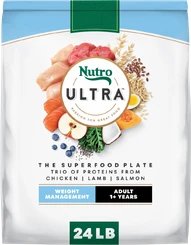
6 · Best Moderate-Calorie Pick
Dry kibble · Weight management · 3346 kcal/kg
This adult dry weight-management recipe is our moderate-calorie pick for German Shorthaired Pointers that do not need the concentrated energy of a performance formula. It provides a practical everyday kibble for adult GSPs whose activity level has decreased or whose portions need closer management, while remaining a conventional complete daily diet.
Protein DMB
28.9%
Fat DMB
10%
Estimated Carbs DMB
47.8%
What we like
• The recipe is specifically positioned for adult weight management rather than high-output performance feeding.
• Chicken is the first ingredient, with chicken meal providing another clearly identified animal ingredient.
• Lamb meal and salmon meal add additional named animal protein sources within the formula.
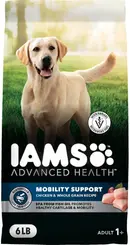
7 · Best for Joint Support
Dry kibble · Mobility support · 3608 kcal/kg
This adult dry kibble is our joint-support food choice for German Shorthaired Pointers when mobility-focused formulation matters but a complete everyday diet is still preferred. It is intended for adult dogs and uses a conventional maintenance format, making it a practical daily option rather than a supplement or veterinary therapeutic food.
Protein DMB
23.3%
Fat DMB
15%
Estimated Carbs DMB
48.9%
What we like
• EPA, glucosamine, and chondroitin are all explicitly disclosed, directly supporting the formula’s mobility-focused positioning.
• Chicken is the first ingredient, providing a clearly identified primary animal ingredient.
• Fish oil and marine microalgae provide specifically named marine lipid sources within the recipe.
Frequently Asked Questions
The best dog food for a German Shorthaired Pointer depends on life stage and workload. Start with a complete and balanced food appropriate for the dog’s life stage, then match calorie density and fat level to actual activity rather than the breed’s sporting reputation. Portions can then be adjusted according to weight and body condition.
Not necessarily. A German Shorthaired Pointer doing occasional hunts or moderate exercise may do well on a regular maintenance food. Dogs performing sustained field work may benefit from a more calorie-dense performance formula when their normal food cannot comfortably meet increased energy needs.
Feed a complete and balanced food formulated for puppy growth, with calorie intake adjusted to support steady development rather than rapid weight gain. Because German Shorthaired Pointers vary in mature size, check the food’s growth and adult-size suitability and choose a formula appropriate for the puppy’s expected mature weight. Reassess portions as growth and activity change.
Avoid concentrating the entire daily ration into one large meal around strenuous exercise. For active German Shorthaired Pointers, divide the daily food allowance into practical meals and plan feeding around the dog’s normal exercise schedule. Individual routines may differ, particularly for dogs doing prolonged field work or competition.
Energy needs can change considerably between hunting or training seasons and quieter months, even when body weight initially appears stable. Reassess portions as workload changes so the dog receives enough energy during sustained activity without continuing the same high-energy intake during periods of reduced exercise.
Final Takeaway
A German Shorthaired Pointer that hunts or trains regularly may use far more energy than one following a quieter household routine. The choices on this page account for that spread, along with puppy development, senior feeding, wet-food preference, moderate-calorie feeding, and joint-support needs.
Match calorie concentration to the dog’s current workload, not to the breed’s sporting reputation, and adjust measured portions when seasons or training volume change. Weight trend, waist, and overall condition will show whether the estimate is working. Introduce new foods gradually. If maintaining weight becomes difficult or symptoms continue, have a veterinarian assess the dog before repeatedly changing foods.
Related Reading
Editorial Note
The Best Dog Food for German Shorthaired Pointers guide evaluates products through their current ingredients, guaranteed analysis, metabolizable-energy information, nutritional adequacy, manufacturer disclosures and feeding guidance. DogFoodNet also checks package format, market availability and pricing. Nutrient values may be recalculated on a dry-matter basis when foods of different moisture content appear in the same comparison.
German Shorthaired Pointers can range from household companions with moderate exercise to working or sporting dogs with substantial energy demands. The selections therefore distinguish everyday adult feeding, puppy growth, senior needs, higher-calorie performance options, wet-food use and calorie-conscious choices. A product earns its category through documented energy and life-stage fit, not through outdoor imagery or vague athletic claims.
The page is an editorial resource and does not reflect independent lab work, controlled performance trials, physical veterinary assessment or diagnosis. Feeding amounts must be adjusted to the individual dog’s workload, body condition and health status. Since a recipe, label, price, package size or availability may change, readers should verify current details. DogFoodNet may be compensated for eligible affiliate sales, but compensation does not determine recommendations.
Questions, Suggestions, or Corrections?
If you notice an error or have feedback on this page, feel free to get in touch.